
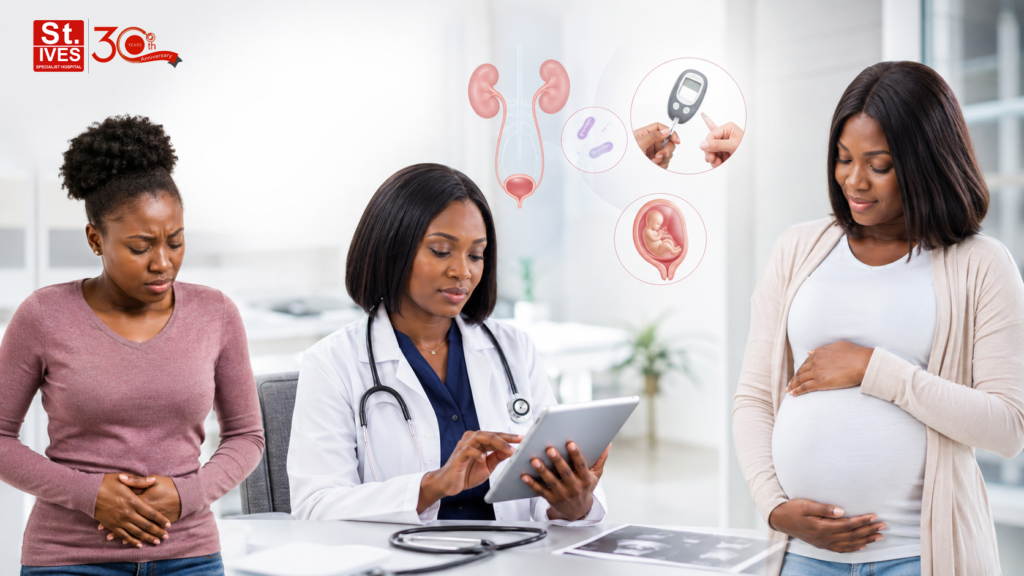
Frequent urination can be harmless. But sometimes, it is your body’s way of telling you that something needs attention.
Have you noticed that you are visiting the toilet more often than usual?
Maybe you have started waking up several times at night to urinate. Perhaps you feel the urge to pee again only a few minutes after using the bathroom. Or maybe you are wondering:
“Why am I urinating so much?”
For some people, the answer may be as simple as drinking more water, taking certain medications or consuming more caffeine. However, frequent urination can also be linked to a urinary tract infection (UTI), diabetes, pregnancy, overactive bladder or an enlarged prostate.
That is why it is important not to ignore a persistent change in your normal urination pattern.
In this article, we explain the common frequent urination causes, how to recognise UTI symptoms in Nigeria, the connection between frequent urination and diabetes symptoms, whether frequent urination can be an early pregnancy symptom, and when you should see a doctor.
Important: Frequent urination is a symptom, not a diagnosis. The cause can only be confirmed through proper medical assessment.
What Is Frequent Urination?
Frequent urination means needing to pass urine more often than is normal for you.
There is no single number that automatically means someone urinates “too much.” Your fluid intake, age, pregnancy status, medications, climate and health can all affect how often you use the toilet.
Many people urinate around seven or eight times a day on average. However, the more important question is whether there has been a noticeable change from your usual pattern or whether frequent urination is interfering with your sleep, work, travel or daily activities.
For example, frequent urination deserves attention if you suddenly start:
- Urinating every 30–60 minutes
- Waking repeatedly at night to urinate
- Feeling a strong or sudden urge to pee
- Passing only small amounts of urine each time
- Experiencing burning or pain when urinating
- Leaking urine before reaching the toilet
- Urinating much more than usual together with excessive thirst
The combination of symptoms can provide important clues about the possible cause.
Frequent Urination Causes: 6 Common Possibilities
There are several possible reasons why you may be urinating frequently. Some are temporary, while others require medical attention.
Here are six important causes to know.
1. You May Simply Be Drinking More Fluids
Sometimes, the explanation is straightforward.
If you have recently increased your water intake, especially in Nigeria’s hot weather, you may naturally urinate more often.
Coffee, tea, energy drinks and other caffeinated beverages can also increase urine production or make you feel the urge to urinate more frequently. Alcohol can have a similar effect.
However, if your frequent urination continues even when your fluid intake has not changed, it may be worth investigating.
2. A Urinary Tract Infection Could Be the Reason
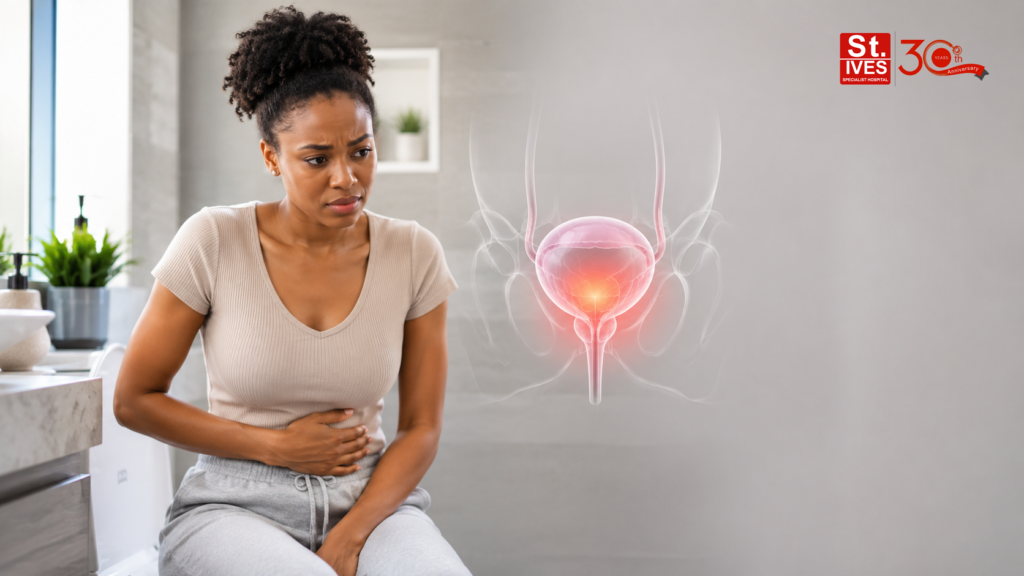
A urinary tract infection, commonly called a UTI, is one of the most common causes of frequent urination.
A UTI occurs when bacteria infect part of the urinary system, such as the bladder, urethra or kidneys.
One of the frustrating things about UTIs is that they can make you feel as though you constantly need to pee—even when there is very little urine in your bladder.
Common UTI symptoms in Nigeria include:
- Frequent urination
- A sudden or strong urge to urinate
- Burning or pain while urinating
- Passing only a small amount of urine
- Lower abdominal discomfort
- Cloudy urine
- Strong-smelling urine
- Blood in the urine
- Fever or chills
- Back or side pain
These symptoms can occur in both men and women, although UTIs are particularly common among women.
A Nigerian study involving antenatal patients found that frequent urination was one of the commonly recognised symptoms of UTI, highlighting why urinary symptoms during pregnancy should not simply be dismissed as a normal part of pregnancy.
The American College of Obstetricians and Gynecologists also notes that UTI symptoms may include urgency, frequency, burning, lower abdominal pain and changes in urine appearance or smell.
Frequent urination without burning: Can it still be a UTI?
Yes.
Not everyone experiences exactly the same UTI symptoms.
Therefore, if frequent urination persists, particularly if you have pelvic discomfort, cloudy or unusually strong-smelling urine, or other urinary changes, speak with a healthcare professional rather than assuming it will disappear on its own.
3. Frequent Urination Can Be a Symptom of Diabetes

This is one of the most important connections to understand.
Frequent urination can be one of the symptoms of diabetes.
When blood glucose becomes too high, the kidneys work to remove excess glucose through urine. This can increase urine production.
As a result, someone with undiagnosed or poorly controlled diabetes may notice that they are urinating more frequently.
Other diabetes symptoms may include:
- Increased thirst
- Increased hunger
- Unexplained weight loss
- Fatigue
- Blurred vision
- Slow-healing wounds
- Recurrent infections
- Frequent UTIs or yeast infections
So, if you are asking:
“Is frequent urination a sign of diabetes?”
The answer is yes, it can be.
However, frequent urination alone does not mean that you have diabetes.
A blood glucose test is needed to determine whether your blood sugar is elevated.
This is particularly important if frequent urination is accompanied by unusual thirst, unexplained weight loss, tiredness or blurred vision.
4. Frequent Urination Can Be an Early Pregnancy Symptom
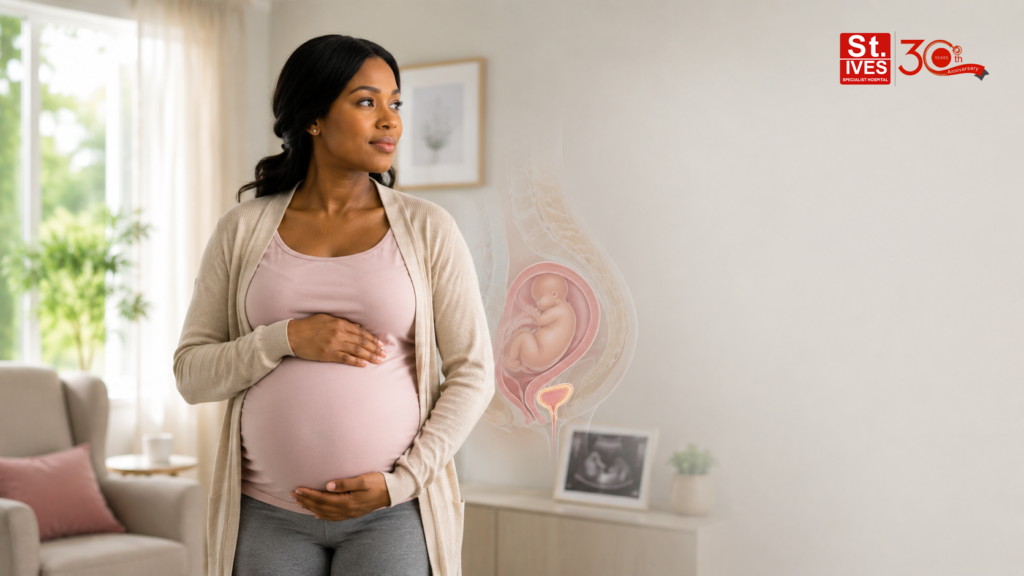
For women who are trying to conceive, this is one of the most searched questions:
“Is frequent urination a sign of pregnancy?”
The answer is it can be.
Frequent urination may occur during pregnancy because pregnancy changes kidney function and, as the uterus grows, increases pressure on the bladder. It can occur early in pregnancy and may become more noticeable later as the pregnancy progresses.
However, frequent urination does not confirm pregnancy.
Early pregnancy symptoms can vary considerably from one woman to another.
Other pregnancy symptoms may include:
- A missed or delayed period
- Breast tenderness
- Fatigue
- Nausea or vomiting
- Increased sensitivity to smells
- Mild cramping
- Changes in appetite
- Mood changes
- Frequent urination
If pregnancy is possible, a pregnancy test is a much better way to find out than relying on symptoms alone.
But there is an important warning.
If you are pregnant and frequent urination is accompanied by:
- Burning while urinating
- Blood in the urine
- Fever
- Chills
- Cloudy or foul-smelling urine
- Lower abdominal pain
- Back or side pain
Do not assume it is simply a pregnancy symptom.
It could be a UTI or another urinary problem that needs medical attention.
UTIs during pregnancy deserve prompt assessment because infection can sometimes spread to the kidneys.
5. An Overactive Bladder Can Make You Urinate Frequently
Sometimes the problem is not that your body is producing too much urine.
Instead, your bladder may be signalling that it needs to empty before it is actually full.
This can happen with an overactive bladder.
Someone with an overactive bladder may experience:
- Sudden urgency to urinate
- Frequent trips to the toilet
- Night-time urination
- Urine leakage before reaching the bathroom
The condition can interfere with sleep, work, travel, exercise and social activities.
And importantly, you do not have to simply live with it.
A healthcare professional can assess your symptoms and determine whether an overactive bladder or another urinary condition is responsible.
6. An Enlarged Prostate Can Cause Frequent Urination in Men
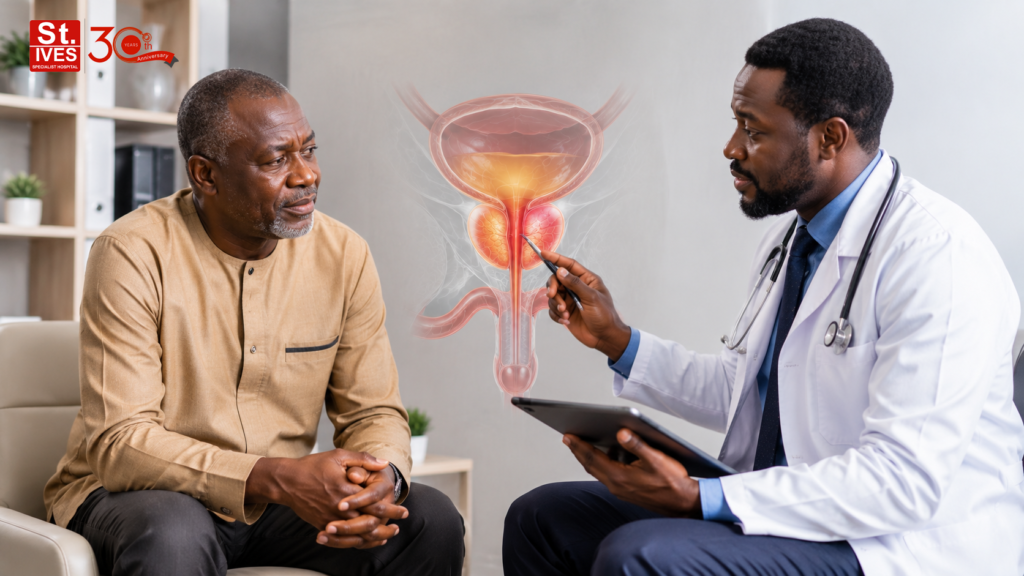
For men, particularly middle-aged and older men, frequent urination can sometimes be linked to an enlarged prostate, medically known as benign prostatic hyperplasia (BPH).
The prostate sits below the bladder and surrounds part of the urethra. As the prostate enlarges, it can narrow the urinary passage and make it harder for urine to flow normally.
Common symptoms of an enlarged prostate include:
- Frequent urination
- Waking several times at night to urinate
- Difficulty starting urination
- Weak urine stream
- Interrupted urine flow
- Dribbling at the end of urination
- Feeling that the bladder has not emptied completely
- Sudden urgency to urinate
Many men dismiss these changes as:
“It is just part of getting older.”
But persistent urinary symptoms should not simply be accepted as normal ageing.
Several prostate and urinary conditions can produce similar symptoms, so proper evaluation is important.
Frequent Urination at Night: Should You Be Concerned?
Waking up at night to urinate is called nocturia.
Occasionally waking up to use the toilet may not be a major concern. However, repeatedly waking during the night can affect sleep quality and your overall wellbeing.
Frequent night-time urination may be associated with:
- Drinking large amounts of fluid close to bedtime
- Caffeine or alcohol
- Pregnancy
- Diabetes
- Overactive bladder
- Enlarged prostate
- Certain medications
- Urinary tract problems
If you regularly wake several times every night to urinate, particularly if this is a new change, consider discussing it with a healthcare professional.
How Can You Tell the Difference?
Because several conditions can cause frequent urination, looking at the other symptoms can be helpful.
| What you notice | Possible cause |
|---|---|
| Frequent urination + burning | UTI |
| Frequent urination + strong thirst | Diabetes |
| Frequent urination + missed period | Possible pregnancy |
| Frequent urination + sudden urgency/leaking | Overactive bladder |
| Frequent urination + weak urine stream | Enlarged prostate |
| Frequent urination + fever/back pain | Possible kidney infection or UTI |
| Frequent urination after increased water/caffeine | Fluid or caffeine intake |
This table is only a guide. It cannot replace a medical diagnosis.
Different conditions can overlap, which is why testing may be necessary.
When Is Frequent Urination Normal?
Frequent urination may be temporary and harmless when there is an obvious explanation.
For example, you may urinate more often after:
- Drinking significantly more water
- Taking caffeine
- Drinking alcohol
- Taking certain medications
- Being pregnant
- Experiencing temporary changes in your routine
Pregnancy is a particularly common example.
During pregnancy, hormonal and physical changes can increase urination. Later in pregnancy, the growing uterus and baby can place additional pressure on the bladder.
However, “common” does not always mean “ignore it.”
The presence of pain, burning, blood, fever or other unusual symptoms changes the situation.
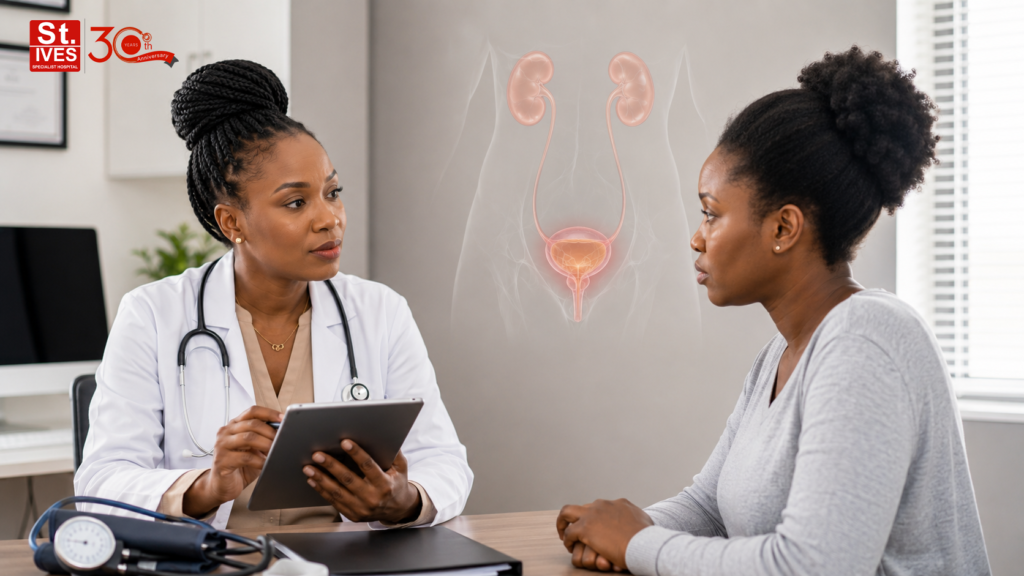
When Should You See a Doctor About Frequent Urination?
You should consider seeing a healthcare professional when frequent urination:
- Has no obvious explanation
- Continues for several days
- Is getting worse
- Disturbs your sleep regularly
- Interferes with work or daily activities
- Is accompanied by pain or burning
- Occurs with unusual thirst
- Occurs with unexplained weight loss
- Is accompanied by blood in the urine
- Comes with fever or chills
- Is associated with back, side or lower abdominal pain
- Makes it difficult to empty your bladder
- Causes urine leakage
- Is accompanied by a weak urine stream
Mayo Clinic advises medical evaluation when frequent urination has no obvious cause, disrupts daily life or occurs with concerning urinary symptoms.
Seek Urgent Medical Attention If…
Some urinary symptoms should not wait.
Seek urgent medical care if you:
Cannot urinate at all.
This can indicate urinary retention and requires prompt assessment.
You should also seek urgent attention for frequent or painful urination accompanied by fever, chills, significant pain, blood in the urine, vomiting or severe back/side pain, because these may indicate a more serious infection or urinary problem.
Similarly, if frequent urination is accompanied by very strong thirst, vomiting, severe weakness, confusion or difficulty breathing, urgent assessment is important because very high blood sugar can sometimes lead to diabetic emergencies.
How Is the Cause of Frequent Urination Diagnosed?
Your doctor may begin by asking questions such as:
- When did the frequent urination begin?
- How often are you urinating?
- Are you waking at night?
- Are you passing a large amount or only a small amount?
- Do you experience burning or pain?
- Are you unusually thirsty?
- Have you noticed blood in your urine?
- Could you be pregnant?
- Are you taking any medications?
- How much water, coffee, tea or alcohol do you consume?
- Do you have difficulty starting or maintaining your urine stream?
Depending on your symptoms, your doctor may recommend tests such as:
Urine tests
A urine test can help look for signs of infection, blood and other abnormalities.
Blood glucose testing
If diabetes is suspected, blood glucose testing can help determine whether your blood sugar is elevated.
Pregnancy testing
If pregnancy is possible, a pregnancy test can help confirm whether pregnancy is responsible for the symptoms.
Prostate assessment
For men with urinary symptoms, especially those with weak urine flow, difficulty starting urination or frequent night-time urination, a healthcare professional may recommend prostate evaluation.
The right test depends on the individual and their symptoms.
Can You Prevent Frequent Urination?
You cannot prevent every cause of frequent urination.
However, some everyday habits can support urinary and overall health.
Stay appropriately hydrated
Do not deliberately dehydrate yourself simply because you are urinating frequently.
Your body needs adequate fluids, particularly in hot weather.
Instead, if frequent urination is persistent, find out why it is happening.
Watch your caffeine intake
Coffee, energy drinks, tea and other caffeinated drinks may increase urinary frequency in some people.
Avoid ignoring persistent symptoms
If your body develops a new pattern that does not return to normal, pay attention.
Manage blood sugar
If you have diabetes, keeping your blood glucose within the range recommended by your healthcare team can help reduce complications, including some bladder and urinary problems.
Practise good urinary hygiene
Good personal hygiene can support urinary health, particularly for people who are prone to UTIs.
Do not self-medicate
If you suspect a UTI, avoid taking leftover antibiotics or using someone else’s medication.
The appropriate treatment depends on the diagnosis.
Frequent Urination in Women: What Should You Know?
Women may experience frequent urination for several reasons, including UTIs, pregnancy, overactive bladder and other bladder or pelvic conditions.
For women trying to conceive, frequent urination can be particularly confusing because it may be associated with either early pregnancy or a UTI.
The difference is important.
Pregnancy-related urinary frequency is generally not expected to cause burning or significant pain.
On the other hand, burning, urgency, cloudy or bloody urine, fever or back pain may point towards infection.
If you are pregnant or think you may be pregnant, do not ignore urinary symptoms.
Frequent Urination in Men: What Should You Know?
For men, frequent urination can sometimes be linked to:
- Enlarged prostate
- Prostatitis
- Diabetes
- Overactive bladder
- UTI
- Certain medications
- Excessive fluid or caffeine intake
A particularly important clue is how the urine flows.
If you frequently need to urinate and also notice a weak stream, difficulty starting, dribbling or a feeling that your bladder has not emptied completely, prostate or urinary tract evaluation may be appropriate.
Men should not be embarrassed to discuss urinary symptoms.
Early evaluation can help identify the cause and guide appropriate treatment.
Frequently Asked Questions About Frequent Urination
Is frequent urination a sign of pregnancy?
It can be. Frequent urination is a recognised pregnancy symptom and may occur because pregnancy changes kidney function and, later, increases pressure on the bladder. However, frequent urination alone cannot confirm pregnancy. A pregnancy test is more reliable.
Is frequent urination a sign of diabetes?
Yes, it can be. Increased urination is one of the common symptoms of diabetes, especially when accompanied by increased thirst, fatigue, unexplained weight loss or blurred vision. However, testing is required to confirm diabetes.
What are common UTI symptoms in Nigeria?
Common UTI symptoms include frequent urination, urgency, burning or pain when urinating, lower abdominal discomfort and changes in urine appearance or smell. Fever, chills and back or side pain can suggest a more serious infection.
Can frequent urination happen without a UTI?
Yes. Frequent urination can also be associated with pregnancy, diabetes, overactive bladder, enlarged prostate, increased fluid intake, caffeine, certain medications and other urinary conditions.
Why am I urinating frequently at night?
Night-time urination can be caused by increased evening fluid intake, caffeine, pregnancy, diabetes, overactive bladder, an enlarged prostate and other conditions. Persistent nocturia that disrupts your sleep should be discussed with a healthcare professional.
Is peeing every 30 minutes normal?
Not necessarily. It can happen temporarily after drinking a large amount of fluid or taking certain drinks or medications. However, repeatedly needing to urinate every 30 minutes without an obvious reason deserves medical assessment.
Can a UTI cause frequent urination without fever?
Yes. Fever is not required for a UTI. Some people mainly experience frequency, urgency, burning or discomfort. However, fever, chills or back/side pain may indicate that an infection has become more serious.
Should I stop drinking water if I urinate too much?
No—not automatically. Deliberately restricting fluids can cause dehydration. Instead, consider whether your frequent urination has an underlying cause and speak with a healthcare professional if it persists.
When should a man worry about frequent urination?
Men should seek medical advice when frequent urination is persistent or occurs with a weak urine stream, difficulty starting urination, dribbling, incomplete bladder emptying, blood in the urine, pain or fever. These symptoms can occur with prostate or urinary conditions.
When should a woman see a doctor for frequent urination?
Women should consider medical assessment if frequent urination is persistent, painful, associated with burning, blood in the urine, unusual discharge, fever, back pain or if pregnancy is possible.
Don’t Ignore What Your Bladder Is Telling You
Frequent urination may be nothing more than the result of drinking extra water or caffeine.
But it can also be an early clue to something that deserves attention.
It may be a UTI.
It may be diabetes.
It may be a pregnancy symptom.
It may be an overactive bladder.
For men, it may be related to an enlarged prostate.
And sometimes, the only way to know is to get properly assessed.
The important thing is not to panic—and not to ignore persistent changes either.
Listen to your body. Ask questions. Get checked when something doesn’t feel right.
Comprehensive Healthcare for You and Your Family at St. Ives Specialist Hospital
At St. Ives Specialist Hospital, we understand that urinary symptoms can affect every stage of life—from young adults and women trying to conceive to expectant mothers, fathers and older family members.
Our multidisciplinary healthcare services are designed to support women, men, children and families through preventive care, diagnosis, treatment and long-term wellbeing.
Our services include:
- Family Health
- Women’s Health
- Pregnancy and Antenatal Care
- Men’s Health
- Fertility and IVF Care
- Children’s Healthcare
- Medical Diagnostics
- General Healthcare and Wellness
St. Ives Specialist Hospital describes its Family Health service as providing care for children, adults and seniors, while its Women’s Health service covers areas including gynecology, fertility assessment and reproductive health. Its Pregnancy Care service provides antenatal support from early pregnancy through delivery and postnatal care.
As a leading multi-specialist healthcare provider in Nigeria, St. Ives Healthcare combines specialist medical expertise with diagnostic support and patient-centred care across its network of locations in Lagos and Abeokuta.
And for couples who need specialist fertility support, St. Ives Fertility Clinic provides services including IVF, IUI, fertility assessment, fertility preservation and other assisted reproductive services.
Don’t wait until a small symptom becomes a bigger problem.
If frequent urination is persistent, unusual or accompanied by other symptoms, speak with a qualified healthcare professional.
Your health deserves attention. Your family deserves trusted care.
St. Ives Specialist Hospital — Caring for you and your family at every stage of life.
[Book an Appointment / Contact St. Ives Specialist Hospital]


okay wow, I actually needed this today. felt like a little reset.